In short: Growth hormone treatment increases height in children who have a recognized cause of short stature and open growth plates. A pediatric endocrinologist confirms the diagnosis with growth records, bone age and blood tests, then prescribes daily injections dosed by weight and adjusted every few months. Started early, treatment can bring many children close to a normal adult height.
Key facts
Works only before growth plates close at the end of puberty
Treated conditions: growth hormone deficiency, Turner, SGA, Prader-Willi, Noonan, SHOX deficiency, CKD, severe ISS
Daily subcutaneous pen injection; once-weekly option for deficiency
Reviews every 3 to 6 months: height velocity, IGF-1, bone age
Average gains range from a few centimeters (ISS) to near-normal height (early-treated deficiency)
What causes growth hormone deficiency in children?
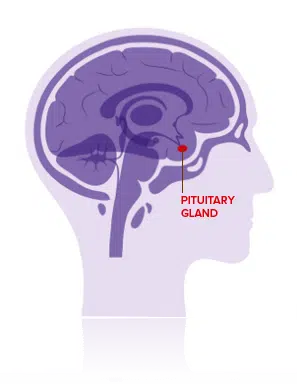
Most cases are idiopathic, meaning no cause is found. Others result from pituitary or hypothalamic malformations present from birth, genetic mutations, brain tumors or their treatment (surgery, radiation), head injury, or infection. Deficiency can be isolated or part of multiple pituitary hormone deficiencies, which is why thyroid and cortisol are also checked. See HGH deficiency in children.
Children who are appear small for normal development might be treated as younger than they are by their peers. Social struggles can come with a psychological price for young kids. Always help your child understand their value and worth despite their smaller size, as that’s a critical part of treatment and development.
However, HGH therapy can assist in accelerated maturation to help them feel like they’re growing normally with their friends.
Who evaluates and treats short children at HGH Vallarta?
Dr. Adrián Eduardo Cuenca Bravo evaluates pediatric cases. The visit covers growth history, parental heights, examination, a bone age X-ray and blood tests, and a stimulation test if deficiency is suspected. Treatment is prescribed only when a recognized indication is confirmed, using authorized brands delivered in cold-chain packaging.
How is growth hormone used for height?
One subcutaneous injection every evening with a pen, dosed by body weight for the specific diagnosis. The dose is adjusted at each visit against growth velocity and IGF-1. Treatment continues for years, until growth velocity falls to about 2 cm a year or bone age shows the growth plates have closed. See the parents’ guide to growth hormone injections.
Evaluation from your child’s doctor might result in diagnosis of a growth hormone disorder. HGH shots for taller kids are the best form of treatment for growth hormone problems. With regular HGH for height, children can reach normal growth milestones in cases of Turner Syndrome, Prader-Willi Syndrome, Small for Gestational Age, and Idiopathic Short Stature.
How can small children be helped?
First by finding out why they are small. Familial short stature and constitutional delay need reassurance and follow-up. Nutritional, thyroid, celiac and kidney causes need their own treatment. Growth hormone-responsive conditions are treated early, because each year before puberty adds to the final result. See growth hormones for kids.
How does it work for short kids, and what gain is realistic?
Growth hormone raises IGF-1, which drives the growth plates. In the first year growth velocity often doubles, then settles to a steady improved rate. Early-treated deficiency commonly reaches near-normal adult height; idiopathic short stature averages about 3 to 7 cm extra; Turner syndrome about 5 to 8 cm with early, consistent treatment. Results depend on diagnosis, start age and adherence.
Can growth hormone increase height in a healthy child?
Guidelines restrict treatment to recognized diagnoses. A healthy child growing at a normal rate is not treated, because the benefit is small and the burden of daily injections and monitoring is real.
How soon does growth speed up after starting?
Usually within the first 3 to 6 months, with the biggest change in the first year of treatment.
Does growth hormone work after puberty?
Only while the growth plates remain open. A bone age X-ray tells the endocrinologist how much growth potential is left.
Which brand is best for height?
All approved somatropin brands are equally effective at the same dose; the choice is about the device, cartridge size and availability.
Sources
Pediatric Endocrine Society. Guidelines for growth hormone and IGF-I treatment in children and adolescents. Horm Res Paediatr 2016. https://pubmed.ncbi.nlm.nih.gov/27884013/
Cohen P et al. Consensus statement on the diagnosis and treatment of children with idiopathic short stature. J Clin Endocrinol Metab 2008. https://pubmed.ncbi.nlm.nih.gov/18782877/
Gravholt CH et al. Clinical practice guidelines for the care of girls and women with Turner syndrome. Eur J Endocrinol 2017. https://doi.org/10.1530/EJE-17-0430